
Home Grow Guide
A Beginner’s Guide to Growing Gourmet Oyster Mushrooms at Home
Ten Mile Mushrooms · September 28, 2026
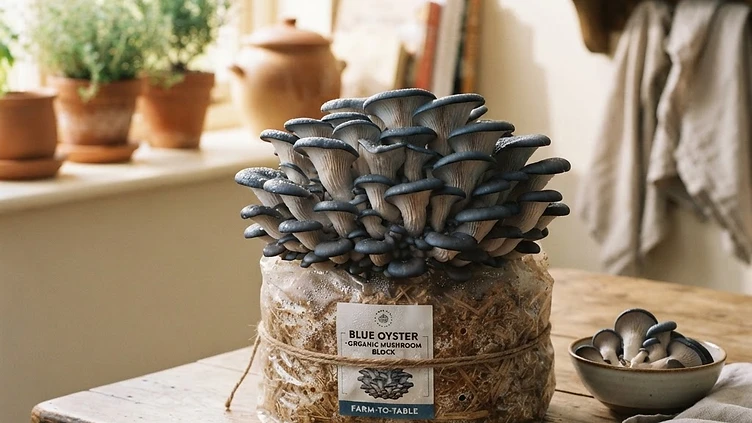
Discover the rewarding process of cultivating your own organic oyster mushrooms with this simple, step-by-step guide from our Pennsylvania woodland farm.
Getting Started with Oyster Mushrooms
There is something profoundly satisfying about harvesting your own gourmet mushrooms just steps from your kitchen. At Ten Mile Mushrooms, we believe that anyone can become a successful cultivator with a little patience and the right environment. Oyster mushrooms (Pleurotus ostreatus) are the perfect starting point for beginners because they are vigorous, fast-growing, and highly forgiving.
Choosing Your Substrate
Oyster mushrooms are nature’s decomposers, meaning they thrive on agricultural waste. For home growers, we recommend using pasteurized straw or hardwood sawdust. These materials provide the necessary carbon-to-nitrogen balance that allows the mycelium—the root-like structure of the mushroom—to colonize quickly and outcompete potential contaminants.
Inoculation: The Foundation
Inoculation is the process of introducing your mushroom culture to the substrate. Whether you are using grain spawn or a pre-colonized fruiting block, cleanliness is your best friend. Ensure your workspace is sanitized and your hands are clean. If you are mixing your own substrate, ensure it is properly hydrated—it should feel like a wrung-out sponge, damp but not dripping.
Fruiting Conditions
Once your substrate is fully colonized and appears white and thread-like, it is time to trigger fruiting. This is where the magic happens. To encourage your mushrooms to pin, you need to mimic the conditions of a cool, damp forest floor:
- Humidity: Maintain 80–90% humidity. A simple humidity tent or a dedicated grow chamber works wonders.
- Fresh Air Exchange: Mushrooms breathe oxygen and exhale carbon dioxide. Ensure your space has gentle airflow to prevent the mushrooms from becoming long and spindly.
- Light: While they don't need direct sunlight, mushrooms require ambient light to develop their natural colors and healthy shapes.
- Hydration: Mist your growing clusters 4–5 times daily with dechlorinated water to keep them hydrated as they double in size.
Common Mistakes to Avoid
Even experienced growers encounter challenges. The most common pitfall is over-misting or poor ventilation, which can lead to bacterial blotch or mold. If you notice any green or black fuzzy growth, that is a sign of contamination; it is best to compost that block and start fresh. Additionally, avoid placing your kit near direct heat sources or drafty windows, as temperature fluctuations can stall growth.
Growing mushrooms is a journey of observation. Take the time to watch how your clusters respond to the environment, and don't be afraid to adjust your misting schedule. With a bit of practice, you will be enjoying the freshest, most flavorful mushrooms you have ever tasted, right from your own home.
