
Farm & Cultivation Spotlight
Closing the Loop: The Art of Sustainable Mushroom Cultivation
Ten Mile Mushrooms · November 16, 2026
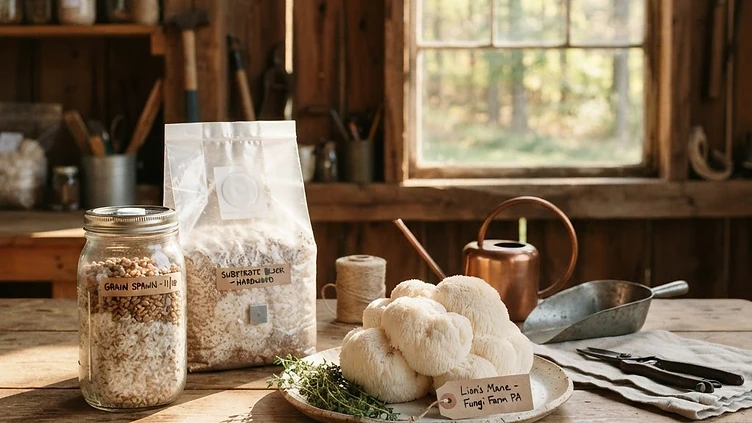
Discover how we transform Pennsylvania woodland resources into premium organic mushrooms and learn how you can integrate these sustainable practices into your own home growing journey.
From Forest Floor to Farm-to-Table
At Ten Mile Mushrooms, our 70 acres of Pennsylvania woodland are more than just a backdrop; they are the heart of our cultivation philosophy. Mushroom farming is, by its very nature, a practice of circularity. We view ourselves as the original recyclers, turning the raw materials of our landscape—hardwood sawdust, straw, and agricultural byproducts—into nutrient-dense food. By understanding the natural life cycle of fungi, we can create a sustainable loop that feeds our community and enriches our soil.
The Foundation: Substrate and Sterilization
The journey of every mushroom begins with the substrate. Whether you are using hardwood sawdust for Lion’s Mane or straw for Oysters, the goal is to provide a clean, moist environment for mycelium to thrive. At our farm, we prioritize field capacity—the point where a handful of substrate is moist to the touch but yields only a few drops when squeezed. Whether you are pasteurizing straw or sterilizing supplemented sawdust, cleanliness is the most critical variable in your success. By maintaining a sterile environment during inoculation, you give your chosen mushroom culture the competitive edge it needs to colonize the block before opportunistic molds can take hold.
The Incubation Phase
Once inoculated, the magic happens in the dark. During the colonization phase, mycelium—the white, thread-like network of the fungus—consumes the substrate, turning a loose mixture into a solid, healthy block. This stage requires patience, steady temperatures, and limited air exchange. We recommend keeping your grow kits or bags in a low-light, draft-free area. Watching the mycelium spread is a rewarding process; it is the visual representation of the mushroom building its strength before it prepares to fruit.
Triggering the Harvest
When the block is fully white and colonized, it is time to shift the environment. By introducing fresh air and adjusting humidity, you signal to the mycelium that it is time to produce fruiting bodies—the mushrooms we love to cook. For home growers, this is the most exciting phase. Whether you are harvesting Blue Oysters or Shiitake, aim to pick them just before the caps fully flatten. This ensures peak flavor and texture.
- Harvesting: Twist gently or use a clean knife to remove the cluster, ensuring you don't damage the block.
- Multiple Flushes: Don't discard your block after the first harvest! With proper moisture and a 7–14 day rest period, many species will provide a second or even third flush.
- Closing the Loop: Once a block has finished producing, it is not waste. Spent mushroom substrate is rich in organic matter. Once composted until dark and crumbly, it makes an exceptional mulch for your garden, returning the nutrients back to the earth.
By integrating these simple, rhythmic steps into your home cultivation, you aren't just growing food—you are participating in a sustainable cycle that mirrors the forest floor itself. We invite you to explore our range of organic grow kits and grain spawn to begin your own farm-to-table journey right in your kitchen.
